


Introducing | Turkish Cymbals
Individual Perfection From Turkish Cymbals
When you make cymbals by hand with techniques dating back to the 17th century, you make instruments that have individual voices - and are individual works of art.
“The Turkish method employs traditional hand-crafted styling; so each cymbal has its own sonic character, with a level of consistency that still produces an overall family feel to each product line-up. There is always some special nuance in each Turkish model,” says Turkish Cymbals' US Distributor Dennis Gerrits. That’s the philosophy underpinning everything that Turkish Cymbals does, and it’s what makes their instruments stand apart from the competition.

Founded in 1996 by Mehmet Tamdeger - a former apprentice of Mikhail Zildjian (son of former Zildjian President Kerope Zildjian) - Turkish Cymbals create modern, aggressive styles of cymbals that are constantly evolving for the needs of today’s drummers. “We feel these cymbals are a reflection of generations of craftsmen and drummers,” adds Gerrits. “We try to stay true to that with how we present them.”
SHOP TURKISH CYMBALS


The Handmade Process -
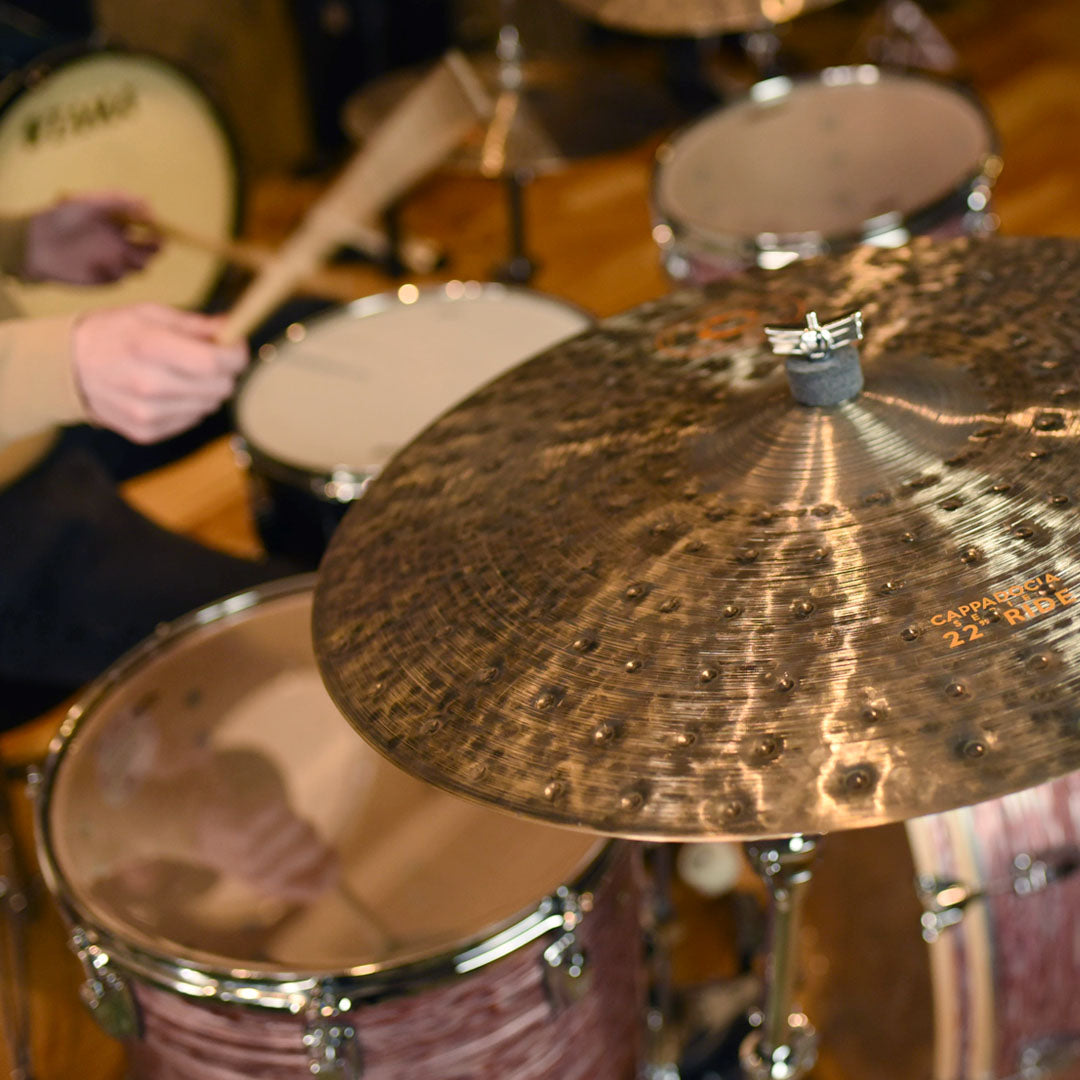
To start, Turkish Cymbals' master cymbal smith picks the copper and tin that is high enough quality to become the bronze alloy needed to forge a Turkish Cymbal. That bronze alloy is melted down to the correct shape, and cast. As they harden, each smith adds the cup, and begins hammering the cymbal by hand, creating the tone and pitch of the finished product. Then, each cymbal goes for a spin on the lathe until it is perfectly round and balanced, before it is either polished by hand, or left with a natural finish. This hands-on, labor-intensive style produces a unique tone to each cymbal, much in the same way that hand-made guitars feature very subtle sonic differences between each individual instrument.
Perfection or the "Rubbish Heap" -
Another thing that allows Turkish Cymbals to stand apart from the competition is that they don’t have a B-stock. If a cymbal bears the Turkish Cymbals logo, it has been constructed, by hand, to the company's highest standards. Gerrits emphasized that rejected products are “recycled through the manufacturing process to begin again. Our crafting methods are still sustainable from that standpoint.” The goal here is simple: by only presenting their best to the world, it guarantees that individual drummers can count on Turkish for many years to come.
A Turkish Delight -
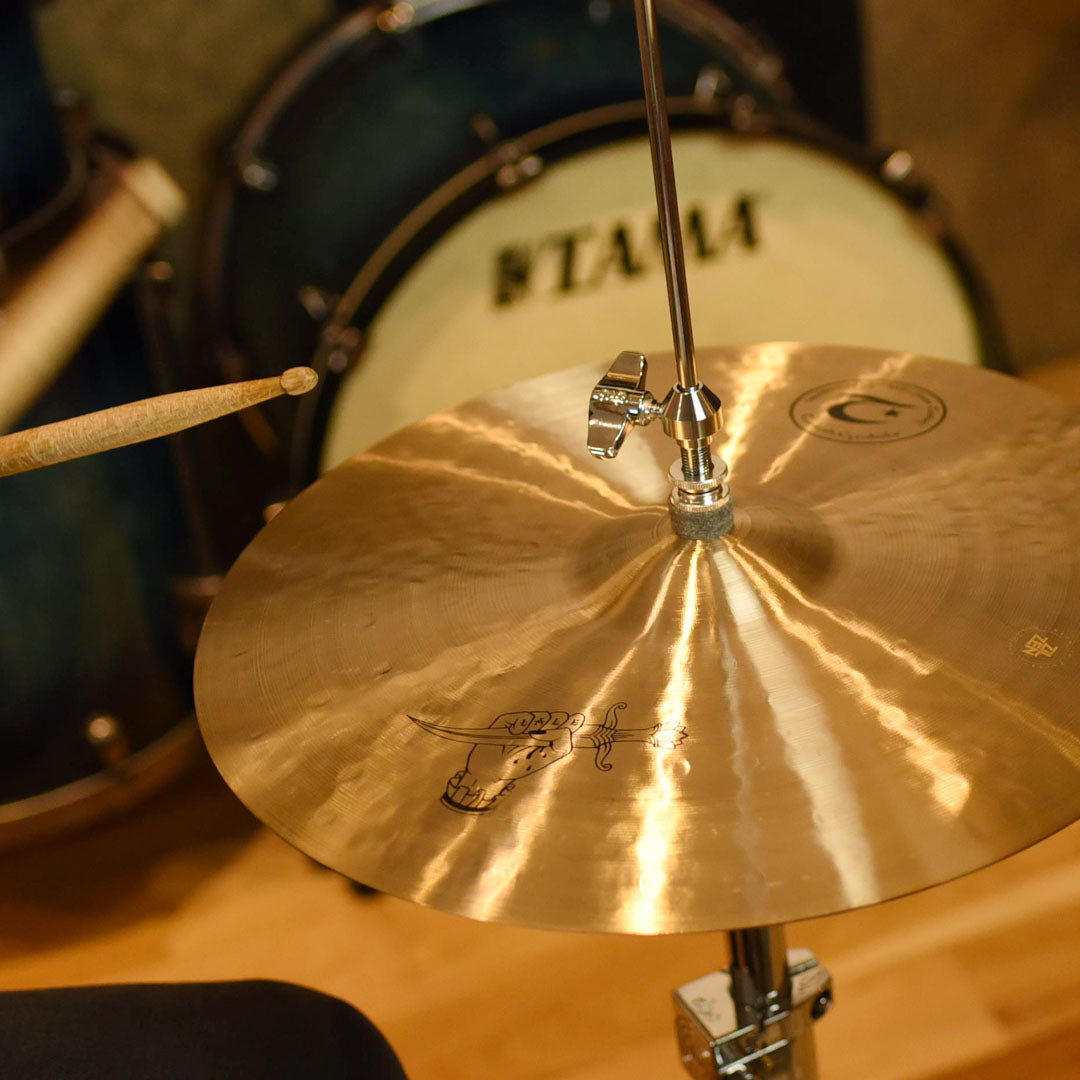
When Turkish Cymbals sought to expand into the United States, the Chicago Drum Exchange (CDE) was a natural fit for what they seek in a dealer: “CDE's reputation for service, attention to the drummer and the gear they need, and an elite approach to showcasing the latest and greatest instruments in the drum industry is the key to their success,” remarked Gerrit. “Their knowledgeable staff of gigging drummers takes the time to get inside each piece of gear, so you can better understand how it can fuel your creativity.” Need a good starting place with the Turkish Cymbal lineup? Gerrits recommends the Classic Series: “These are versatile, accessible cymbal models with enough midrange projection to be heard above the crowd, and a touch of dark shimmer to give them sonic variety. They fit well in a variety of styles, at a price that can’t be matched for a B20, handmade Turkish cymbal.”
SHOP TURKISH CYMBALS
Related Posts

Marshall | 1959BJA Artist Signature Amp
At the 2026 Super Bowl, Billie Joe stepped onto stage in front of a new amplifier: the Marshall 1959BJA Artist Signature Amp! Designed with Billie Joe Armstrong, this new amplifier is handwired and features the “Dookie Mod” that has been the cornerstone of Green Day’s raw attack for 30 years!
View Details
Introducing | Asheville Music Tools
Adding another chapter to the rich musical history of Western North Carolina, Asheville Music Tools is a marriage of vintage audio processing techniques and modern, high quality electronics! Asheville Music Tools is the brainchild of former Moog engineer Rick “Hawker” Shaich, with assistance from John Snyder, the mastermind behind Electronic Audio Experiments. Hawker took the lessons learned from refining Moog’s pedals, and is now applying his expertise to every pedal that is pushed out of his shop!
View Details
Fender & Squier | New Baritone Guitars for Summer 2026
Three iconic Fender silhouettes are returning to the lower registers with the newest Limited Edition Fender Guitars, and the newest entry to the Squier Paranormal Series! The Fender 75th Anniversary Player II Baritone Telecaster, Fender Limited Edition Player Fusion Jaguar Baritone, and the Squier Paranormal Baritone Jazzmaster HH feature 27” scale lengths and are tuned B-to-B, to put a new spin on instantly identifiable tones, or to expand their classic circuits to suit heavier playing!
View Details